
Today’s parents navigate challenges needing collective support—a modern “village.” This guide explores resources, fostering community, and ensuring thriving families, mirroring the sentiment that it takes a village to raise a child.
What Does “It Takes a Village” Mean in 2026?
The age-old proverb, “it takes a village,” resonates profoundly in 2026, but its form has evolved. No longer solely reliant on geographical proximity, the modern village is a dynamic network built on shared values and mutual support. It acknowledges the increasing demands on contemporary parents – often juggling careers, education, and family life.

This means proactively seeking and accepting help, recognizing that vulnerability isn’t weakness. As one parent shared, navigating college with a baby highlighted the importance of utilizing available resources. The village isn’t just about childcare; it’s about emotional wellbeing, shared knowledge, and collaborative problem-solving. It’s about building connections, both online and offline, to create a safety net for families. It’s about recognizing that raising children is a communal responsibility, not a solitary one.
The Evolving Definition of Community Support
Community support in 2026 extends far beyond traditional networks. While familial and local connections remain vital, the definition now encompasses digital communities, online parent groups, and specialized resource-sharing platforms. The isolated village of Covington in 1897, fearful of the outside world, contrasts sharply with today’s interconnectedness.
Towns like Providence Village and Oakland Mills demonstrate active community engagement, offering spaces for connection and activity. This evolution acknowledges the diverse needs of modern families – from finding reliable childcare to accessing mental health resources. Support isn’t limited to crisis intervention; it’s about preventative measures, fostering resilience, and celebrating shared experiences. It’s about recognizing that a strong village proactively addresses the challenges faced by its members, creating a nurturing environment for children to thrive.

Navigating Childcare in a Village Environment
Finding quality childcare is crucial; explore local daycares, parent cooperatives, and leverage family/friend networks – mirroring the college parent’s resourcefulness and need for help.
Finding and Vetting Local Daycare Options
Locating suitable daycare requires diligent research. Begin by compiling a list of licensed providers in your area, utilizing online directories and recommendations from other parents within the “village.” Once you have a potential list, schedule visits to observe the environment firsthand.
During visits, assess several key factors: staff-to-child ratios, cleanliness, safety protocols, and the overall atmosphere. Observe how staff interact with children – are they engaged, nurturing, and responsive? Inquire about the daycare’s curriculum and daily schedule.
Vetting is paramount. Verify licensing and accreditation, check for any complaints filed with local authorities, and request references from current or former parents. Don’t hesitate to ask detailed questions about staff qualifications, emergency procedures, and illness policies. Trust your instincts; a comfortable and safe environment is essential for your child’s wellbeing.
The Rise of Parent Cooperatives and Sharing Networks

A growing trend reflects the “village” ethos: parent cooperatives and sharing networks. These initiatives empower parents to collectively address childcare and resource needs, fostering a strong sense of community. Parent co-ops typically involve parents sharing childcare responsibilities, reducing costs and building close bonds.
Sharing networks extend beyond childcare. Parents can exchange skills, resources (toys, clothes, equipment), and offer mutual support. Online platforms and local groups facilitate these exchanges, creating a collaborative ecosystem. This approach embodies the spirit of mutual aid, where parents leverage each other’s strengths;
Benefits are numerous: affordability, flexibility, and a supportive community. Participating in these networks can alleviate the isolation often experienced by parents, providing a valuable safety net and a sense of belonging. It truly takes a village, and these networks are modern manifestations of that age-old wisdom.
Utilizing Family and Friends as a Support System
The most immediate “village” often resides in family and friends. Don’t underestimate the power of leaning on those closest to you for support. Whether it’s occasional babysitting, a listening ear, or practical help with household tasks, their contributions can be invaluable.
Open communication is key. Clearly articulate your needs and boundaries. Be specific about what kind of help you require, and be respectful of their time and commitments. Remember, asking for help isn’t a sign of weakness, but a demonstration of self-awareness and a willingness to accept support.
Reciprocity strengthens bonds. While accepting help is important, offer support in return whenever possible. This creates a balanced and mutually beneficial relationship. Building a strong network of family and friends is fundamental to navigating the challenges of parenthood, echoing the sentiment that it takes a village.

Educational Resources Within the Village
Access to quality education is vital for village families. Discover local programs, school involvement opportunities, and enrichment options to nurture children’s growth and development.
Early Childhood Education Programs Available
For our youngest villagers, a strong start is paramount. Numerous early childhood education programs cater to diverse needs and budgets. Look for state-funded pre-kindergarten options, often available for children aged three and four, providing a foundational learning experience. Local daycare centers frequently incorporate early learning components into their curricula, focusing on social-emotional development alongside basic academic skills.
Parent cooperatives offer a unique, collaborative approach, allowing parents to actively participate in their child’s education. Additionally, explore library-sponsored story times and playgroups, which foster a love of reading and socialization. Consider programs emphasizing outdoor learning, connecting children with nature. Research accreditation and licensing to ensure program quality and safety. Don’t hesitate to visit facilities, observe classrooms, and speak with educators to find the best fit for your child’s individual learning style and your family’s values.
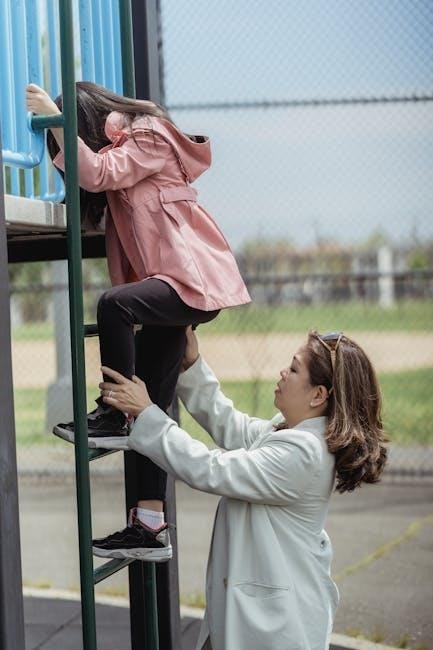
School District Overview and Involvement Opportunities
Understanding your local school district is crucial for a supportive village. Begin by familiarizing yourself with the district’s website, accessing information on school boundaries, academic calendars, and curriculum standards. Attend school board meetings to stay informed about district-wide policies and initiatives. Active parent involvement significantly impacts student success.
Opportunities abound, from volunteering in classrooms and libraries to joining the Parent-Teacher Association (PTA). Participate in school events, fundraising activities, and parent-teacher conferences. Consider joining school committees focused on specific areas like curriculum development or school improvement. Advocate for your child’s needs and contribute your skills and expertise to enhance the educational experience for all students. Building strong relationships with teachers and administrators fosters a collaborative partnership, strengthening the village’s commitment to education.
Tutoring and Enrichment Programs – Local Options
Supplementing classroom learning with tutoring and enrichment programs can significantly benefit children. Explore local options beyond the school system. Community centers often host affordable after-school programs focusing on various subjects, like STEM, arts, and literacy. Private tutoring services provide personalized attention, addressing specific learning gaps or challenging concepts.
Investigate local libraries for free tutoring sessions or workshops. Online platforms offer virtual tutoring options, providing flexibility and convenience. Enrichment programs, such as music lessons, sports clubs, or coding classes, foster creativity, develop new skills, and broaden horizons. Seek recommendations from other parents within the village network. Consider programs aligning with your child’s interests and learning style. A well-rounded education, supported by diverse opportunities, strengthens the village’s investment in its children’s future.

Health and Wellbeing for Village Families
Prioritizing family health—physical and mental—is crucial. Access to healthcare, mental health support, and community wellness initiatives builds a resilient and thriving village.
Accessing Pediatric Healthcare in Rural Areas
Navigating pediatric healthcare in rural settings presents unique challenges, but resourceful solutions exist. Telemedicine is increasingly vital, offering remote consultations and monitoring, bridging geographical gaps. Local health departments often host clinics or coordinate services, providing essential check-ups and vaccinations.
Establishing relationships with nearby hospitals, even if a distance away, is crucial for specialized care. Transportation assistance programs can help families overcome logistical hurdles. Don’t hesitate to inquire about mobile health units that periodically visit rural communities.
Furthermore, building connections with other parents can facilitate information sharing about trusted pediatricians and available resources. Proactive planning and a strong network are key to ensuring your child receives timely and quality healthcare, even in remote locations. Remember to always advocate for your child’s needs.
Mental Health Support for Parents and Children
Parenting is rewarding, yet demanding, and prioritizing mental wellbeing is essential for both parents and children. Rural communities may have limited on-site resources, making telehealth a valuable option for accessing therapists and counselors. Online support groups offer a sense of community and shared experience, reducing feelings of isolation.
Local community centers sometimes host parenting workshops focusing on stress management and emotional regulation. Schools often employ counselors who can provide support to children and connect families with external resources.
Recognizing the signs of mental health struggles – in yourself or your child – is the first step. Don’t hesitate to seek help; remember, asking for support is a sign of strength, not weakness. Building a supportive “village” includes prioritizing emotional wellbeing for everyone.
Community Wellness Initiatives and Programs
A thriving village prioritizes the overall health of its families, offering diverse wellness initiatives. Look for local parks and recreation programs promoting physical activity – walking groups, sports leagues, or family-friendly fitness classes. Community gardens foster healthy eating habits and a sense of collective accomplishment.
Many villages host workshops on nutrition, mindfulness, and stress reduction techniques. Check with local libraries and community centers for free or low-cost programs. Events like farmers’ markets provide access to fresh, local produce, supporting both health and the local economy.
Participating in these initiatives strengthens community bonds while promoting a healthier lifestyle for all. A focus on wellness creates a more resilient and supportive environment for families to flourish.

Building a Strong Village Network
Connecting with other parents is crucial. Join local groups, utilize online platforms, and organize events to foster relationships and build a supportive community network.
Joining Local Parent Groups and Associations
Local parent groups offer invaluable support and connection. These associations, like those found in Columbia, Maryland (Oakland Mills Village) or Croton-on-Hudson, New York, provide a space for sharing experiences, advice, and building friendships.
Searching online and through community centers will reveal options tailored to different ages and interests – from new parent groups to playdate organizers. Consider groups focused on specific parenting philosophies or child development stages.
Active participation isn’t just about receiving support; it’s about contributing to the collective wisdom of the village. Sharing your own experiences, offering a listening ear, and volunteering at group events strengthens the network for everyone. These connections can extend beyond parenting, fostering a sense of belonging within your community, much like the close-knit feeling of a rural village.
Utilizing Online Platforms for Village Communication
In today’s world, the “village” extends beyond geographical boundaries, thriving online. Platforms like Facebook, with towns such as Providence Village, Texas actively using them, offer dedicated groups for local parents. These spaces facilitate quick information sharing – playdate arrangements, recommendations for services, or simply a space to vent and connect.
Beyond social media, consider neighborhood-specific apps or email lists. These tools streamline communication, making it easier to organize events or address community concerns.
However, remember online safety and responsible sharing. Verify information before acting on it, and be mindful of privacy settings. Online platforms are powerful tools for building a modern village, but they complement, not replace, face-to-face interactions and the genuine connections fostered within a supportive community.
Organizing Village Events and Playdates
Strengthening the village requires intentional connection, and events are key! Start small – a weekly playdate at a local park, a monthly story time at the library, or a potluck picnic. Leverage online platforms (as discussed previously) to gauge interest and coordinate schedules; Consider themed events aligning with seasons or holidays to boost participation.
Don’t underestimate the power of simple gatherings. Oakland Mills Village, Columbia, utilizes “The Other Barn” as a central hub for activity, demonstrating the value of a dedicated space.
Remember inclusivity! Ensure events are accessible to all families, considering diverse needs and schedules. Rotating hosting duties fosters a sense of shared ownership and reduces the burden on any single individual. Building these traditions creates lasting memories and a stronger, more connected village.

Financial Resources and Support
Navigating parenthood demands financial stability; explore local assistance programs, scholarships, and aid for childcare and education to ease the economic burden.
Local Assistance Programs for Families
Many communities offer vital financial aid to support families, recognizing the economic pressures of raising children. These programs can include temporary assistance for needy families (TANF), providing cash benefits to cover essential expenses like housing, food, and utilities. Supplemental Nutrition Assistance Programs (SNAP), formerly food stamps, help ensure families have access to nutritious meals.
Furthermore, investigate local charities and non-profit organizations dedicated to family support. These often provide emergency financial assistance for unexpected costs, such as medical bills or car repairs. Housing assistance programs, like Section 8 vouchers, can significantly reduce housing costs, freeing up funds for other necessities. Don’t overlook programs specifically designed for single parents or families with disabilities, as they may offer tailored support. A comprehensive search of your county’s social services website is a great starting point to uncover all available resources.
Scholarships and Financial Aid for Childcare/Education
Easing the financial burden of childcare and education is crucial for many families. Numerous scholarships and financial aid options exist to help offset these costs. Begin by exploring state-funded preschool programs, often offering subsidized or free early childhood education. Several non-profit organizations provide scholarships specifically for childcare, prioritizing low-income families or those with specific needs.
For older children, investigate grants and scholarships for extracurricular activities, tutoring, and enrichment programs. Many school districts offer financial assistance for school-related expenses, such as field trips or supplies. Additionally, explore employer-sponsored childcare benefits or dependent care flexible spending accounts (FSAs). Websites dedicated to scholarship searches can streamline the process, connecting you with relevant opportunities. Remember to check eligibility requirements and application deadlines carefully to maximize your chances of receiving aid.
Budgeting and Financial Planning for Village Parents
Effective budgeting is paramount for village parents navigating the costs of raising a family. Start by tracking income and expenses to understand where your money goes. Prioritize needs over wants, and identify areas where you can cut back. Consider utilizing budgeting apps or spreadsheets to simplify the process. Explore shared resource options within the village – childcare swaps, toy exchanges, or cooperative purchasing – to reduce individual expenses.
Develop a long-term financial plan that includes savings goals for education, emergencies, and retirement. Take advantage of tax credits and deductions available to families. Regularly review your budget and adjust as needed to accommodate changing circumstances. Seeking guidance from a financial advisor can provide personalized strategies for achieving your financial goals. Remember, financial stability contributes to overall family wellbeing.

Emergency Preparedness for Village Families
Village families thrive with proactive planning. Create family emergency plans, know local services, and participate in community disaster initiatives for collective safety and resilience.
Creating a Family Emergency Plan
A well-defined family emergency plan is paramount for village families. Begin by discussing potential local hazards – weather events, power outages, or other community-specific risks. Establish multiple communication methods, recognizing cell service may be unreliable during emergencies. Designate a central meeting point, both near home and outside the immediate area, should separation occur.
Compile an emergency kit with essential supplies: water, non-perishable food, first-aid supplies, medications, flashlights, batteries, and a weather radio. Include copies of important documents. Practice the plan regularly with all family members, including drills for evacuation routes and shelter-in-place procedures. Consider the unique needs of children, pets, and family members with disabilities. Share relevant information with trusted neighbors within the village network to enhance collective preparedness and support.
Knowing Local Emergency Services and Resources
Familiarity with local emergency services is crucial for village families’ safety. Program emergency numbers – police, fire, ambulance – into all family phones. Understand the location of the nearest hospital and urgent care facilities, noting potential travel routes and alternative options during road closures. Identify local shelters and evacuation centers designated for community emergencies.
Beyond 911, research non-emergency numbers for reporting issues like downed power lines or minor incidents. Locate the local office of emergency management and familiarize yourself with their website for updates and preparedness information. Connect with community organizations involved in disaster relief, such as the Red Cross or local volunteer fire departments. Knowing these resources beforehand allows for swift and informed action when seconds count, bolstering the village’s collective response capability.
Community Disaster Preparedness Initiatives
A strong village proactively prepares for disasters. Participate in local emergency drills and workshops offered by emergency management agencies. Volunteer with community organizations focused on disaster relief, gaining valuable skills and contributing to collective readiness. Advocate for community-wide preparedness planning, including establishing neighborhood communication networks and resource sharing systems.
Support initiatives to create a community emergency response team (CERT), training residents in basic disaster response skills. Encourage the development of a local emergency supply depot, stocked with essential items for distribution during emergencies. Foster a culture of preparedness through community events and educational campaigns. By working together, village families can significantly enhance their resilience and ability to navigate challenging situations, ensuring a safer environment for all.