Ferrari California Manual Transmission: A Comprehensive Overview (as of 12/16/2025)
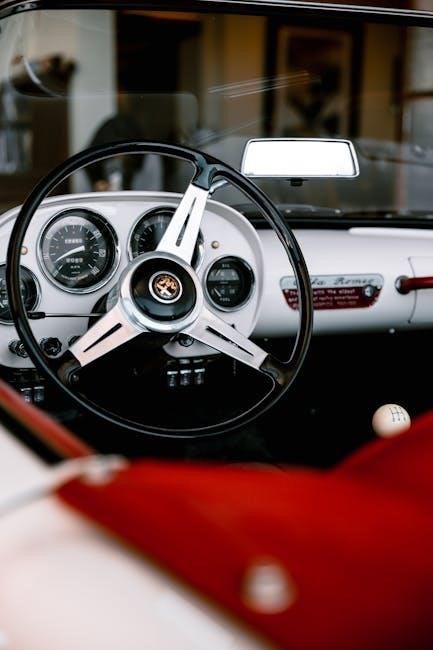
The Ferrari California offered both a traditional six-speed manual and a seven-speed dual-clutch transmission (DCT). The 2012 model represents the final year Ferrari provided a manual option, blending classic driving engagement with modern performance.
The Ferrari California, introduced in 2008, marked a significant departure for the prancing horse, being the first Ferrari to feature a front-mid engine layout and a retractable hardtop. This design choice aimed to broaden the Ferrari’s appeal, offering a more versatile grand tourer experience without sacrificing the brand’s core performance values. From its inception, the California was offered with a variety of transmission options, initially focusing on a six-speed manual transmission to cater to purists, alongside a six-speed automated manual.
However, as automotive technology progressed, Ferrari introduced a more advanced seven-speed dual-clutch transmission (DCT) in later models. This DCT offered faster shift times and improved efficiency, becoming increasingly popular among drivers. The 2012 California holds a unique position in the model’s history, being the last year a manual transmission was available, representing a bridge between traditional driving experiences and modern technology. The availability of both transmission types allowed buyers to choose a driving style that best suited their preferences, contributing to the California’s diverse appeal within the Ferrari lineup;

The Appeal of a Manual Transmission in a Modern Ferrari
For many automotive enthusiasts, the allure of a manual transmission lies in the direct connection it provides between driver and machine. It’s a visceral experience – the precise control over gear selection, the engagement of the clutch, and the feeling of mastering the car’s power delivery. In a modern Ferrari, a manual transmission offers a return to a more analog driving experience, a counterpoint to the increasingly digital nature of performance cars.
When people think of fast cars, they often envision the manual stick shift, pressing the accelerator, shifting gears, and braking only for turns. The California’s manual option allowed drivers to fully immerse themselves in the driving process, enhancing the sense of control and involvement. This appeal extends beyond mere nostalgia; it’s about actively participating in the performance, rather than letting the car manage it for you. The manual California provides a unique and rewarding experience for those who appreciate the art of driving, offering a level of engagement that automated transmissions simply cannot replicate.
Historical Context: Why Manual Ferraris Became Rare
Throughout Ferrari’s history, manual transmissions were the standard, embodying the brand’s racing heritage and driver-focused philosophy. However, as automotive technology advanced, particularly in the realm of performance, automated transmissions began to offer significant advantages. Faster shift times, improved efficiency, and enhanced driver assistance systems became increasingly desirable features.
The shift towards automated transmissions, specifically dual-clutch systems, accelerated in the early 2000s. These systems provided quicker gear changes than even the most skilled driver could achieve manually, translating to faster lap times and improved acceleration. By the time the California was introduced, the industry trend favored automated options. The 2012 California marked the end of an era, as Ferrari succumbed to market demands and technological advancements, discontinuing the manual transmission after that model year. This decision reflected a broader industry move towards prioritizing performance metrics over traditional driver engagement.
The 2012 Ferrari California: The Last of the Manuals
The 2012 Ferrari California holds a unique position in the automaker’s lineage as the final model to offer a traditional six-speed manual transmission. While a seven-speed dual-clutch transmission (DCT) was also available, the manual option provided purists with a direct connection to the driving experience, a characteristic increasingly rare in modern supercars.
This final iteration of the manual California wasn’t a completely raw experience; it still incorporated the DCT’s steering-wheel-mounted paddle shifters, offering drivers a degree of flexibility. However, the presence of a clutch pedal distinguished it from the fully automated DCT versions. The 2012 model’s significance is amplified by its place in Ferrari’s history, representing the last opportunity to experience a manual gearbox in a California before the brand fully embraced automated technology. Consequently, these models are highly sought after by collectors and enthusiasts today.
Transmission Specifications: Six-Speed Manual
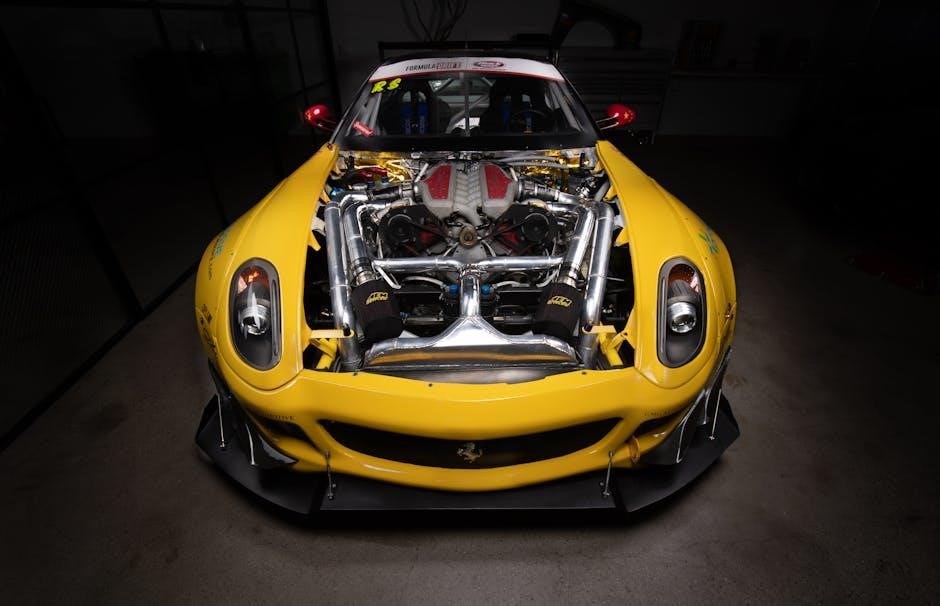
The six-speed manual transmission offered in the Ferrari California (specifically up to 2012) is a testament to traditional engineering. It’s a robust unit designed to handle the substantial power output of the California’s 4.3-liter V8 engine. While detailed internal specifications are often proprietary, it’s understood to utilize a conventional gear layout with synchronizers on each gear for smooth shifting.
The transmission features a single-plate clutch, providing a direct and engaging feel for the driver. Gear ratios are tuned to balance acceleration and cruising efficiency, offering a versatile driving experience. The shift linkage is precise, contributing to the overall sporty character of the car. It’s important to note that this manual transmission was offered alongside the more technologically advanced seven-speed DCT, catering to drivers who preferred a more involved driving experience. The availability of this manual option is a key factor in the 2012 California’s collectibility.
Transmission Specifications: Seven-Speed Dual-Clutch Transmission (DCT)
The seven-speed dual-clutch transmission (DCT) became increasingly prevalent in the Ferrari California, particularly from 2012 onwards. This advanced system utilizes two separate clutches – one for odd-numbered gears and one for even-numbered gears – allowing for incredibly rapid and seamless gear changes. The DCT offers both fully automatic operation and manual control via steering wheel-mounted paddle shifters.
Unlike a traditional manual, the DCT doesn’t require a clutch pedal, enhancing driving convenience and speed. The gear ratios are optimized for performance, delivering quick acceleration and efficient cruising. The DCT’s electronic control unit (ECU) manages shift points and clutch engagement, adapting to driving style and conditions. While often described as an “automated manual,” it’s a distinct system offering benefits beyond a conventional manual. The 2012 California notably retained a clutch pedal despite being a DCT, a unique characteristic discussed further elsewhere.
DCT vs. Manual: Driving Experience Comparison
The driving experience between the six-speed manual and seven-speed DCT Ferrari California differs significantly. The manual offers a more engaging, tactile connection for purists, demanding driver involvement with each gear change. It provides a sense of control and satisfaction often missing in automated systems. However, it requires greater skill and can be more fatiguing in heavy traffic.
The DCT, conversely, prioritizes speed and convenience. Shifts are lightning-fast, minimizing interruption to power delivery and resulting in quicker lap times. Paddle shifters allow for manual control without the need for a clutch pedal, offering a blend of automation and driver input. While some argue it lacks the raw feel of a manual, the DCT’s responsiveness and efficiency are undeniable. The 2012 California’s unusual inclusion of a clutch pedal with the DCT aims to bridge this gap, offering a unique experience.
The Clutch Pedal Debate: Understanding the 2012 California’s DCT
The 2012 Ferrari California’s dual-clutch transmission (DCT) presents a unique anomaly: it retains a clutch pedal despite being an automated system; This design choice sparked considerable debate among enthusiasts; Unlike a traditional manual, the clutch isn’t required for shifts; the DCT handles gear changes independently. However, the pedal’s presence allows drivers to initiate launches and perform smoother low-speed maneuvers.
Essentially, the clutch pedal functions as a bypass, giving the driver direct control over the transmission’s engagement. It doesn’t replicate a full manual experience, as the DCT still manages the actual gear selection. Many see it as a nod to traditional driving, offering a degree of involvement absent in other DCT-equipped cars. Some criticize it as unnecessary complexity, potentially leading to confusion. Ultimately, it’s a distinctive feature that sets the 2012 California apart, blending modern technology with a hint of classic feel.
Reliability Concerns: 2009-2011 vs. 2012 California Transmissions
Early Ferrari California models (2009-2011), equipped with the dual-clutch transmission, experienced a higher incidence of reported issues compared to the 2012 version. Discussions on platforms like FerrariChat highlight concerns regarding the earlier DCT’s reliability, with some owners noting problems requiring significant repairs. These issues often centered around internal component wear and software glitches affecting shift quality.
The 2012 California, while still utilizing a DCT, benefited from Ferrari’s refinements and updates. While not entirely immune to potential problems, the 2012 transmission generally demonstrates improved durability and smoother operation. Prospective buyers considering a California should carefully evaluate the service history and transmission type. A pre-purchase inspection by a qualified Ferrari technician is crucial to identify any existing or potential issues. The cost of DCT repairs can be substantial, making the 2012 model a potentially more sensible long-term investment.
Common Issues with the California’s Transmissions
Both the six-speed manual and seven-speed dual-clutch transmissions in the Ferrari California can exhibit specific issues. For the DCT, common complaints include jerky low-speed shifts, particularly when cold, and occasional hesitation during gear changes. Some owners have reported problems with the transmission’s hydraulic system, leading to reduced performance or complete failure. Software glitches can also contribute to erratic shifting behavior, often requiring a software update from Ferrari.
The manual transmission, while generally more robust, isn’t without potential concerns. Wear and tear on the clutch is a typical issue, especially with enthusiastic driving. Synchronizer wear can also occur, leading to difficulty engaging certain gears. Regular fluid changes and careful driving habits can mitigate these problems. Regardless of transmission type, neglecting scheduled maintenance significantly increases the risk of encountering costly repairs. Thorough inspection and preventative servicing are key to maintaining the California’s drivetrain.
Maintenance and Servicing of the Manual Transmission
Maintaining the six-speed manual transmission in a Ferrari California requires diligent attention to detail. Regular fluid changes, typically every 24,000 miles or two years, are crucial for optimal performance and longevity. Using Ferrari-approved transmission fluid is highly recommended to ensure compatibility and prevent damage. Inspecting the clutch for wear is essential, particularly if the car is driven aggressively. Symptoms of a failing clutch include slippage, difficulty engaging gears, and a high pedal position.
Synchronizer health should also be periodically assessed, listening for grinding noises during gear changes. Proper clutch cable adjustment is vital for smooth operation. Beyond routine servicing, it’s important to address any leaks promptly. A qualified Ferrari technician should perform all maintenance and repairs, utilizing specialized tools and diagnostic equipment. Ignoring these preventative measures can lead to expensive repairs down the line, compromising the driving experience and potentially diminishing the vehicle’s value.
Finding a Ferrari California with a Manual Transmission
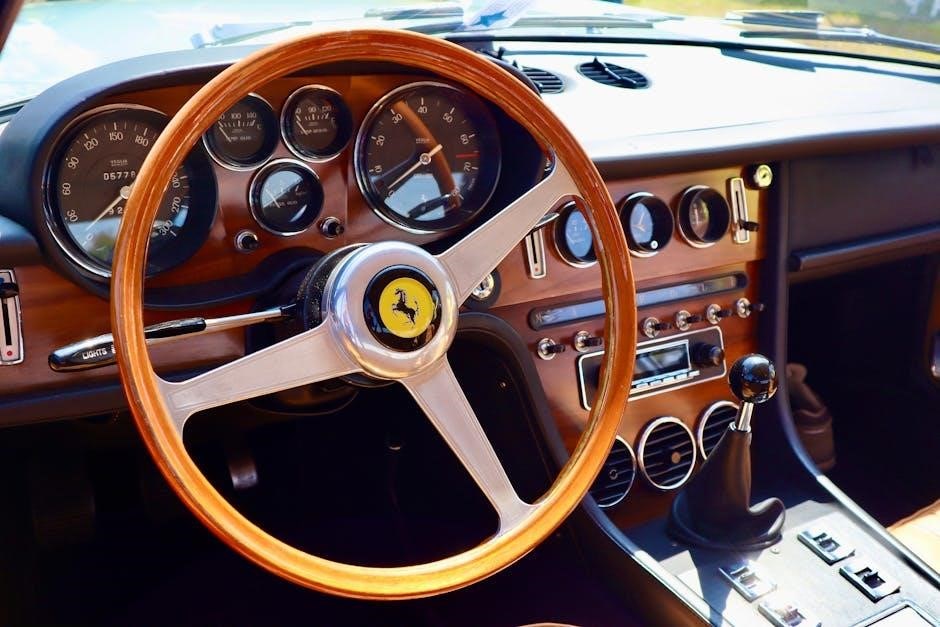
Locating a Ferrari California equipped with a manual transmission requires patience and a focused search. The 2012 model year represents the last opportunity to acquire one from the factory. Online marketplaces like Bring a Trailer, ClassicCars.com, and Ferrari-specific forums, such as FerrariChat, are excellent starting points. Be prepared to expand your geographic search, as these cars are relatively rare.
When evaluating a potential purchase, thoroughly verify the transmission’s authenticity. Confirm it’s a genuine six-speed manual and not a mislabeled DCT model. A detailed inspection by a qualified Ferrari mechanic is crucial. Check the car’s history report for any records of transmission work or issues. Consider engaging a pre-purchase inspection (PPI) service. Expect to pay a premium for a manual California compared to its DCT counterparts, reflecting its desirability among enthusiasts. Diligence and careful vetting are key to securing a well-maintained example.
Market Value: Manual vs. DCT California Models
As of December 16, 2025, the market value for a Ferrari California demonstrates a clear premium for manual transmission models. Generally, DCT-equipped Californias range from approximately $60,000 to $80,000, depending on condition, mileage, and options. However, the coveted 2012 manual versions consistently command prices between $85,000 and $120,000, and sometimes exceeding this range for exceptionally well-preserved or low-mileage examples.
This price difference reflects the increasing demand from collectors and enthusiasts who appreciate the unique driving experience offered by the manual gearbox. Participation in events like Casa Ferrari and Concorso Ferrari can further elevate a California’s value, particularly if it’s a well-documented and presented example. Condition plays a significant role; pristine cars with complete service histories will always fetch higher prices. The rarity of the manual transmission contributes substantially to its market desirability and subsequent value appreciation.
The Impact of Casa Ferrari and Concorso Ferrari Events on Value
Participation in prestigious events like Casa Ferrari and Concorso Ferrari demonstrably impacts the market value of a Ferrari California, especially manual transmission models. A documented history of attendance and recognition at these events significantly enhances a vehicle’s provenance and desirability among collectors. Casa Ferrari 2025, celebrating Ferrari’s racing heritage, elevates the brand’s prestige, indirectly benefiting all models.
Displaying a California at Concorso Ferrari, held at the iconic Pebble Beach, provides unparalleled exposure to a discerning audience. Winning awards or even simply being selected for display can add a substantial premium – potentially $10,000 to $30,000 or more – to the car’s value. Detailed records, including photographs and event programs, serve as valuable documentation. These events validate the car’s condition and history, assuring potential buyers of its authenticity and care, ultimately driving up its market price.
Recent Developments: Supply Chain Issues and Component Quality
Recent disruptions within the automotive supply chain have presented challenges for Ferrari California owners, particularly concerning transmission components. A case reported in early 2025 involved a newly installed component exhibiting defects – a bent main shaft/pully with unusual markings – raising concerns about quality control. This incident, shared on Reddit’s r/Ferrari forum, highlights the potential for substandard parts entering the supply network.
These issues primarily affect restoration and repair efforts, potentially increasing costs and lead times for manual transmission servicing. Owners are advised to meticulously inspect any replacement parts, verifying their origin and condition. The availability of genuine Ferrari components has been intermittently affected, prompting some owners to explore reputable aftermarket alternatives. Maintaining detailed records of all repairs and parts sourcing is crucial for preserving the vehicle’s value and ensuring long-term reliability. Vigilance and proactive maintenance are paramount in mitigating the risks associated with these supply chain vulnerabilities.
Carbon Fiber Wheel Availability and Aftermarket Options
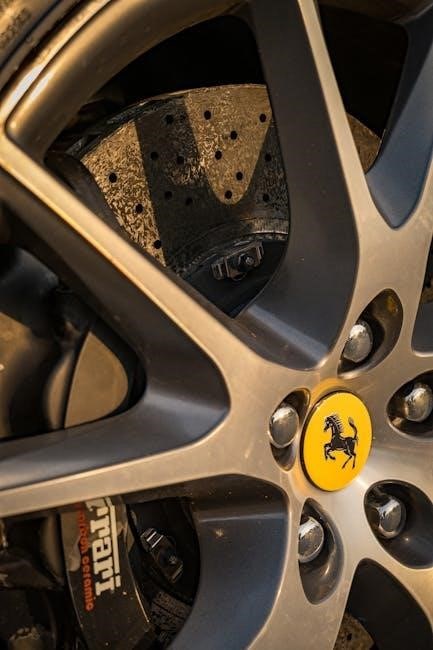
While seemingly unrelated to the manual transmission itself, the availability of carbon fiber wheels significantly impacts the overall ownership experience and value of a Ferrari California. As of February 2025, a new set of Ferrari 296 carbon fiber wheels became available, directly from the factory in Italy, representing a premium upgrade for enthusiasts.
These lightweight wheels enhance performance by reducing unsprung weight, improving acceleration, braking, and handling – qualities highly appreciated by drivers of manual transmission models who seek a more connected driving experience. However, their high cost and limited availability often drive owners towards the aftermarket. Several reputable companies offer carbon fiber wheel options specifically designed for the California, providing alternatives with varying price points and aesthetic styles.
When considering aftermarket wheels, it’s crucial to prioritize quality and ensure compatibility with the vehicle’s braking system and suspension. Proper fitment and installation are essential for maintaining safety and preserving the car’s handling characteristics.
The Future of Manual Transmissions in Ferrari
The discontinuation of the manual transmission after the 2012 California marks a significant shift in Ferrari’s philosophy. While purists lament the loss of a direct connection to the machine, the industry trend leans heavily towards faster, more efficient dual-clutch and automated manual transmissions. The demand for traditional manuals has demonstrably decreased, influencing Ferrari’s production decisions;
However, a resurgence of interest in analog driving experiences, coupled with the enduring appeal of the manual gearbox, may prompt Ferrari to reconsider in future models. The California’s legacy as the last manual Ferrari has ironically increased its collectibility and desirability.
Currently, there are no indications of Ferrari reintroducing a manual option in its lineup. Yet, the brand consistently monitors market trends and customer feedback. The possibility remains, albeit slim, that a limited-edition model or a special series could feature a manual transmission, catering to a niche but passionate segment of enthusiasts who cherish the art of driving.
Resources for Ferrari California Owners and Enthusiasts (FerrariChat, Reddit)
For Ferrari California owners and enthusiasts, particularly those interested in the manual transmission variants, several online communities offer invaluable resources and support. FerrariChat stands as a long-established forum, hosting extensive discussions on maintenance, repairs, and ownership experiences specific to the California model. Users frequently share insights regarding the six-speed manual and the DCT, including reliability concerns and servicing tips.
Reddit’s r/Ferrari subreddit provides a more contemporary platform for discussion. Recent threads have explored topics like the discontinuation of manual transmissions after 2012, and even supply chain issues affecting component quality, as reported by members.
These platforms are excellent for diagnosing issues, sourcing parts, and connecting with fellow California owners. They also serve as a hub for information regarding events like Casa Ferrari and Concorso Ferrari, where enthusiasts can showcase their vehicles and share their passion. Active participation in these communities enhances the ownership experience.
Where to Find Information on Ferrari California Specs and Reviews (Cars.com)
Cars.com serves as a comprehensive online resource for prospective and current Ferrari California owners seeking detailed specifications and professional reviews. The platform provides a wealth of information regarding the California’s engine, performance metrics, and available transmission options, specifically highlighting the availability of both a conventional six-speed manual and a seven-speed automated manual transmission with steering-wheel paddles.
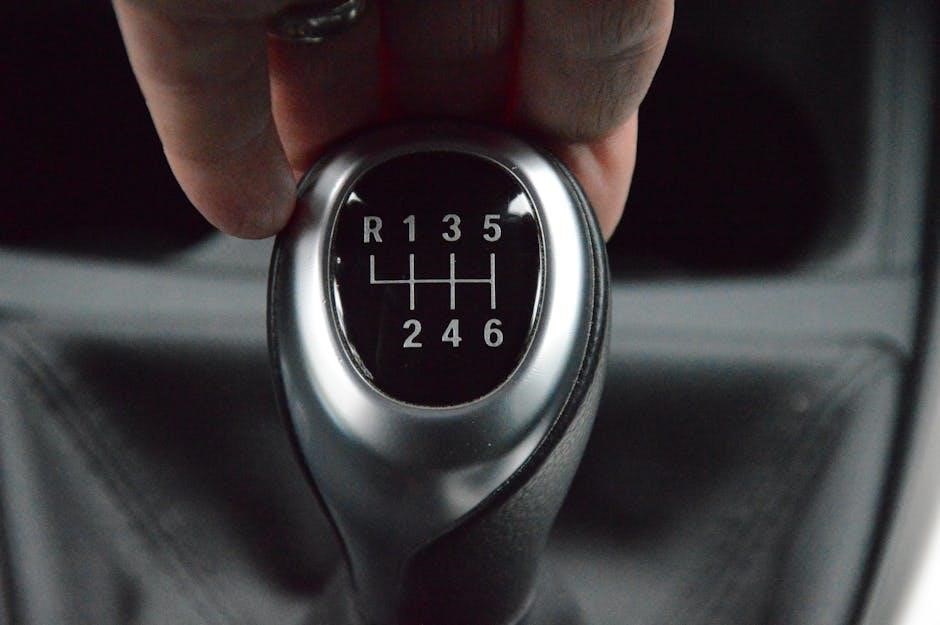
Users can access detailed specifications outlining the differences between the manual and DCT configurations, aiding in informed decision-making. Cars.com also features user reviews offering real-world perspectives on driving experience and ownership costs.
Furthermore, the site provides pricing data, including market values for both manual and DCT models, helping owners gauge their vehicle’s worth. It’s a valuable tool for researching the California’s features, comparing trims, and understanding its overall position within the luxury sports car market. Accessing this information streamlines the research process.
The Legacy of the Manual Ferrari California
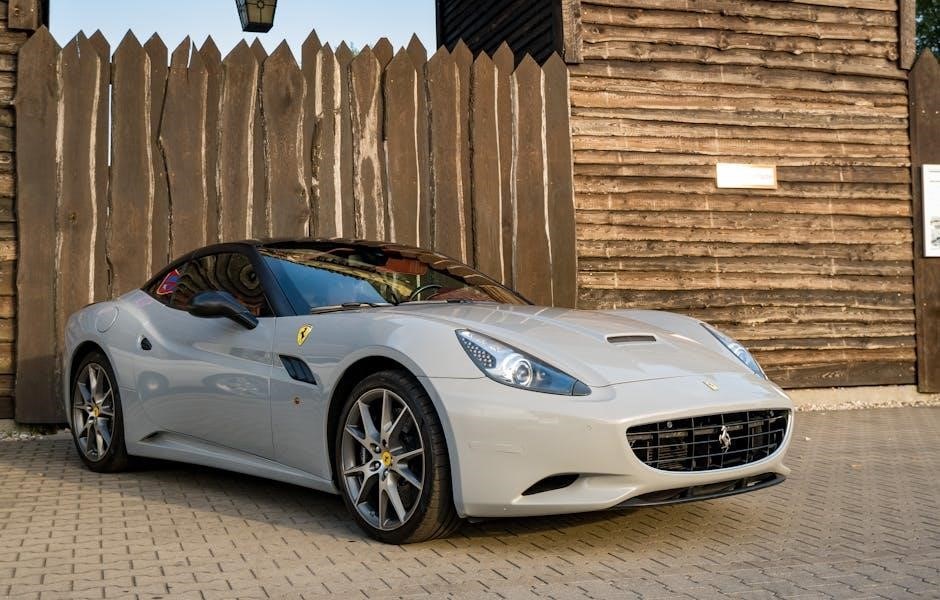
The Ferrari California, particularly the 2012 model with its six-speed manual transmission, occupies a unique and cherished position within Ferrari’s history. It represents the last opportunity for enthusiasts to experience a traditionally-shifted Ferrari, bridging the gap between classic driving engagement and modern performance capabilities.
While the dual-clutch transmission (DCT) offered enhanced speed and convenience, the manual California appeals to a purist sensibility, offering a more connected and visceral driving experience. Events like Casa Ferrari and Concorso Ferrari continue to celebrate these vehicles, bolstering their collectibility and value.
The California’s legacy isn’t solely about the gearbox; it’s about a fleeting moment where Ferrari acknowledged the enduring appeal of driver involvement. As supply chain issues and component quality concerns occasionally surface, the well-maintained manual examples stand as increasingly rare and desirable pieces of automotive history, ensuring their continued appreciation by enthusiasts for generations to come.