Tempus Fugit Grandmother Clock Manual: A Comprehensive Guide
Welcome! This guide offers detailed assistance for your Tempus Fugit clock, covering troubleshooting, repair, and maintenance, utilizing archived resources and community knowledge.
Important Note: Online forums and archived websites provide valuable manuals and repair information for these vintage timepieces, aiding in restoration efforts.
Understanding Your Tempus Fugit Clock

Tempus Fugit clocks, renowned for their craftsmanship, often present unique challenges due to their age and intricate mechanisms. These grandfather clocks are typically weight-driven, relying on the controlled descent of weights to power the timekeeping and chiming functions.
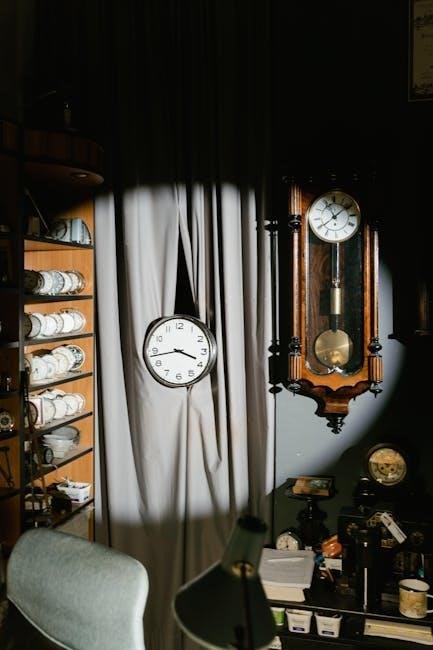
Key Components: Familiarize yourself with the clock’s core elements – the weights, chains, pendulum, and chime mechanism. Understanding how these parts interact is crucial for diagnosis and repair. The chains, as highlighted in user experiences, are particularly sensitive; over-tightening can halt operation.
Historical Context: Tempus Fugit clocks were popular in colonial times, and finding original manuals can be difficult. Fortunately, resources like Fixya and archived websites offer scanned copies and repair guides. Recognizing your specific model is the first step towards locating relevant documentation. Regular maintenance, as advised, is vital for preserving these beautiful clocks.

Identifying Your Clock Model
Accurate identification is paramount when seeking manuals or repair advice for your Tempus Fugit clock. These clocks weren’t produced with a standardized naming system, making precise identification crucial. Look for any markings on the clock face, movement, or interior case – these often indicate the model or series.
Colonial Variations: Many Tempus Fugit clocks are “Colonial” style, but even within this category, variations exist. Detailed photographs, especially of the face and movement, can be helpful when seeking assistance on online forums like Watch Repair Talk.
Archived Resources: Websites like the Clock Depot and archived links from New Knowledge Base may contain model-specific information. Knowing the approximate year of manufacture can also narrow down the possibilities. A clear understanding of your clock’s features will greatly assist in finding the correct documentation and repair procedures.

Locating Manuals and Documentation
Finding original manuals for Tempus Fugit clocks can be challenging due to their age, but several resources offer potential solutions. Fixya hosts user-submitted documentation, including a PDF manual link (res.cloudinary.com/hmcgallery/image/upload/497063.pdf) that may be helpful.
Archived Websites: The Internet Archive’s Wayback Machine preserves older versions of websites like New Knowledge Base, which previously hosted Tempus Fugit information (web.archive.org/web/20160906201841/http://newknowledgebase.com/tempus-fugit-grandfather-clock-value).
Official Tempus Fugit Resources (Archived Links)
Unfortunately, Tempus Fugit is no longer actively operating, meaning a direct official website for manuals is unavailable. However, the Internet Archive’s Wayback Machine provides access to previously existing resources. Specifically, archived versions of the New Knowledge Base website (web.archive.org/web/20160906201841/http://newknowledgebase.com/tempus-fugit-grandfather-clock-value) contained information regarding Tempus Fugit clocks.
While a dedicated manual archive isn’t present, these archived pages may offer clues about specific models, repair guides, or even valuation information that indirectly assists in understanding your clock’s operation. It’s crucial to explore various archived dates, as website content changes over time. Remember that these are snapshots and may not be comprehensive.
Fixya and Online Forums
Fixya (fixya.com) serves as a valuable community-driven resource for Tempus Fugit clock owners. Users have posted questions and solutions regarding various issues, including manual requests and repair advice. A search on Fixya reveals a linked PDF (res.cloudinary.com/hmcgallery/image/upload/497063.pdf) potentially containing a Tempus Fugit manual, though its completeness isn’t guaranteed.
Additionally, online clock enthusiast forums, like “All Things Clocks – Watch Repair Talk,” offer a platform for sharing knowledge and seeking assistance. These forums often host discussions about vintage Tempus Fugit clocks, with members sharing experiences and troubleshooting tips. Engaging with these communities can provide personalized guidance and access to collective expertise, supplementing the limited official documentation available.
Clock Mechanism Basics
Tempus Fugit grandfather clocks predominantly utilize a weight-driven movement, a mechanical system relying on the descent of weights to power the timekeeping and chiming functions. Understanding this fundamental principle is crucial for diagnosis and basic maintenance. The weights, suspended by chains or cables, gradually lower, releasing energy that drives the gears and escapement.
The escapement regulates the release of this energy, ensuring a consistent and accurate time display. This intricate mechanism interacts with the pendulum, controlling its swing and, consequently, the clock’s pace. The chiming mechanism, separate yet interconnected, is activated by a series of cams and levers, triggered by the clock’s movement, producing the hourly or half-hourly chimes.
Weight-Driven Movement Explained

The core of a Tempus Fugit clock lies in its weight-driven movement. Weights, typically three in number, descend within the clock case, providing the power. Each weight serves a specific function: one for timekeeping, another for the hour strike, and the third for the quarter-hour chime.
As the weights descend, they unwind a cable or chain wrapped around a drum (the barrel). This unwinding action rotates the barrel, transferring power through a series of gears. These gears meticulously translate the energy into the precise movements needed to advance the hands and activate the chiming mechanism. The rate of descent, and therefore the clock’s operation, is governed by the escapement and pendulum, ensuring accurate timekeeping.
Chain Adjustment and Tension
Maintaining proper chain tension is crucial for the smooth operation of your Tempus Fugit clock. If the chains are too tight, they can strain the movement, potentially halting the clock as reported by owners experiencing similar issues. Conversely, excessively loose chains may slip on the drum, leading to inconsistent timekeeping or chiming.
Adjustment typically involves carefully repositioning the weights higher or lower on their respective chains. Small adjustments are key; avoid making drastic changes. Observe the chain’s path as it unwinds – it should move freely without binding or excessive slack. Caution: Never attempt to force a tight chain; this could damage the delicate mechanism. Gentle manipulation and observation are vital for optimal performance.
Troubleshooting Tight Chains
If your Tempus Fugit clock’s chains are excessively tight, preventing operation, begin by visually inspecting the weight’s descent path. Ensure nothing obstructs the chain’s movement within the clock case or around the winding drum. Gently try to raise or lower the weights incrementally; resistance indicates a problem.
Avoid forceful manipulation, as this can damage the mechanism. A common issue is the weights resting against the case sides. Repositioning them slightly can alleviate tension. If the tightness persists, carefully examine the winding drum for any debris or misalignment. Remember: A user reported their husband over-tightened the chains, causing a complete stoppage, highlighting the need for caution. If unsure, seek professional assistance to prevent further damage.
Chime Mechanism and Functionality
The chime mechanism in a Tempus Fugit clock is a complex system responsible for its melodic hourly announcements. These clocks often feature Westminster, Whittington, or other traditional chime sequences. Understanding its functionality is crucial for troubleshooting silencing or inaccurate chiming. The mechanism relies on a series of hammers striking tuned metal rods or bells, governed by a cam system linked to the clock’s movement.
Proper operation requires the weights to be fully wound, providing the power for the chime train. If the clock stops chiming, initial checks should focus on the winding and weight descent. Remember: A stopped chime often indicates insufficient power or an obstruction within the chime train itself. Regular, gentle handling is vital to prevent issues and maintain accurate timekeeping and chiming.
Addressing Chiming Issues
When your Tempus Fugit clock ceases to chime, systematic troubleshooting is essential. First, verify the power source – ensure weights are fully wound and descending smoothly. Next, inspect the chime mechanism for any visible obstructions like dust, debris, or misaligned components. Carefully examine the hammers to confirm they move freely and strike the chime rods or bells correctly.
Without a manual, consulting manufacturer resources or authorized dealers is recommended. Gentle handling and regular maintenance are preventative measures. If issues persist despite these checks, seek professional clock repair services to avoid potential damage to the delicate mechanism. Attempting complex repairs without expertise could exacerbate the problem and lead to costly repairs.
Power Source and Winding
Tempus Fugit grandfather clocks are typically weight-driven, relying on the controlled descent of weights to power the movement and chiming mechanisms. Ensure the weights are correctly positioned and securely hung on their respective chains or cables. Proper winding is crucial; raise the weights slowly and steadily, avoiding jerky movements that could strain the mechanism.
Consistent winding is vital for reliable operation. The frequency of winding depends on the clock’s design and weight size, generally weekly. Observe the weight descent; if they drop too quickly, it may indicate a problem with the movement requiring professional attention. Never force the winding mechanism or allow the weights to crash to the bottom, as this can cause significant damage.
Inspecting for Obstructions
When addressing chiming issues, a thorough inspection for obstructions is paramount. Carefully examine the chime mechanism, looking for anything that might impede its movement – dust, debris, or even small objects. Check the hammer’s path to ensure it swings freely and strikes the chime rods or bells without hindrance. Inspect the rack and snail, the components responsible for sequencing the chimes, for any misalignment or blockage.
Gentle cleaning with a soft brush can remove dust, but avoid using liquids or harsh chemicals. Pay close attention to the chime rods themselves, ensuring they aren’t bent or damaged. If you identify an obstruction, carefully remove it, taking note of its original position for reassembly. Persistent issues may indicate a more complex problem requiring a qualified technician.
Common Tempus Fugit Clock Problems
Tempus Fugit clocks, while beautifully crafted, are susceptible to certain common issues. A frequent problem is the clock stopping, often due to overwound or improperly adjusted chains. Chiming malfunctions are also prevalent, stemming from obstructions within the chime mechanism or insufficient winding. Weight slippage can disrupt the clock’s operation, requiring careful re-hanging and tension adjustment.

Another common issue is pendulum stoppage, caused by uneven flooring or a misaligned clock case. Dust accumulation can impede movement, necessitating regular cleaning. Older clocks may exhibit wear and tear on gears and springs, leading to decreased accuracy. Addressing these problems promptly can prevent further damage and restore your clock’s functionality, potentially avoiding costly repairs.
Repairing Minor Issues Yourself
Many Tempus Fugit clock issues can be addressed with careful DIY efforts. Start with gentle cleaning, removing dust from the movement and chime mechanism. Carefully inspect chains for kinks or obstructions, ensuring smooth operation. Adjust chain tension if they feel too tight or loose, referencing online resources for guidance. If the pendulum stops, ensure the clock is level and the pendulum swings freely.
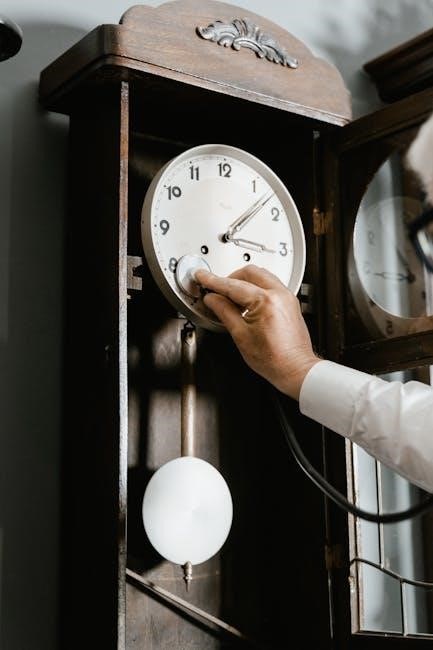
Minor chime issues might resolve with a gentle nudge to the chime rods, checking for any blockages. Remember to proceed cautiously, avoiding forceful adjustments. Online forums offer valuable troubleshooting tips and visual guides. However, if you’re uncomfortable or the problem persists, seeking professional help is crucial to prevent further damage to your valuable timepiece.
When to Seek Professional Help

Despite diligent DIY efforts, certain Tempus Fugit clock problems necessitate a skilled technician. If you encounter complex mechanical issues, such as stripped gears or a malfunctioning movement, professional intervention is vital. Avoid attempting repairs beyond your expertise, as this could exacerbate the damage. Chime mechanism complications, especially those involving intricate linkages, require specialized knowledge.
Signs indicating professional help is needed include persistent chiming problems, erratic timekeeping, or visible damage to internal components. Attempting to force repairs can lead to costly consequences. Locating a qualified clock repair technician specializing in antique clocks is crucial for preserving your Tempus Fugit’s value and functionality. Prioritize professional assistance to ensure a lasting and accurate repair.
Finding a Qualified Clock Repair Technician
Locating a skilled technician is paramount for Tempus Fugit clock restoration; Seek recommendations from antique dealers, clock collectors, or online forums dedicated to horology. Verify credentials and experience specifically with grandfather clocks and weight-driven movements. Inquire about their familiarity with Tempus Fugit mechanisms, as specialized knowledge is beneficial.
Check online reviews and ask for references from previous clients. A reputable technician will provide a detailed assessment and transparent cost estimate before commencing work. Ensure they have a well-equipped workshop and utilize appropriate tools for delicate repairs. Consider proximity for convenient communication and potential on-site visits. Prioritize technicians who offer guarantees on their workmanship, safeguarding your investment.
Preventative Maintenance
Regular upkeep is crucial for preserving your Tempus Fugit clock’s functionality and value. Dust the case weekly with a soft, dry cloth, avoiding abrasive cleaners. Inspect the weights and chains monthly for dirt accumulation and smooth operation; gently wipe them clean. Ensure proper winding – avoid over-winding, which can strain the mechanism. Listen for unusual noises during operation, indicating potential issues.
Periodically check the pendulum’s swing for consistent rhythm. Avoid placing the clock in direct sunlight or areas with extreme temperature fluctuations. Professional servicing every 5-7 years is recommended for thorough cleaning, lubrication, and adjustment. Gentle handling during movement is essential to prevent damage. Consistent care will ensure generations of accurate timekeeping.
Cleaning and Polishing Your Clock
Gentle cleaning is paramount when maintaining your Tempus Fugit clock’s appearance. Use a soft, lint-free cloth dampened with a mild wood polish specifically designed for antiques. Avoid harsh chemicals, abrasives, or excessive moisture, which can damage the finish. Dust regularly to prevent buildup, focusing on intricate carvings and details. For brass components, a specialized brass cleaner can restore shine, but test in an inconspicuous area first.
Polish the wood case sparingly, following the grain. Clean the glass panels with glass cleaner, ensuring it doesn’t drip onto the wood. Never disassemble the clock for cleaning; leave the mechanism to professionals. Regular, careful cleaning preserves the clock’s beauty and prevents long-term damage, maintaining its value.
Clock Value and Appraisal
Determining the value of your Tempus Fugit grandmother clock requires considering several factors. Model rarity, age, condition, and historical significance all contribute to its worth. Original documentation, like the manual, can increase value. Online resources, such as archived websites like newknowledgebase.com (via the Wayback Machine), offer some historical pricing data, though these may be outdated.
Professional appraisal is recommended for accurate valuation. A qualified clock appraiser will assess the clock’s components, movement, and case. Factors like chime functionality and overall aesthetic appeal are also considered. Be wary of online “instant” appraisal tools, as they often lack accuracy. Understanding your clock’s value is crucial for insurance purposes or potential sale.